
Motion Blur No Longer In Trend
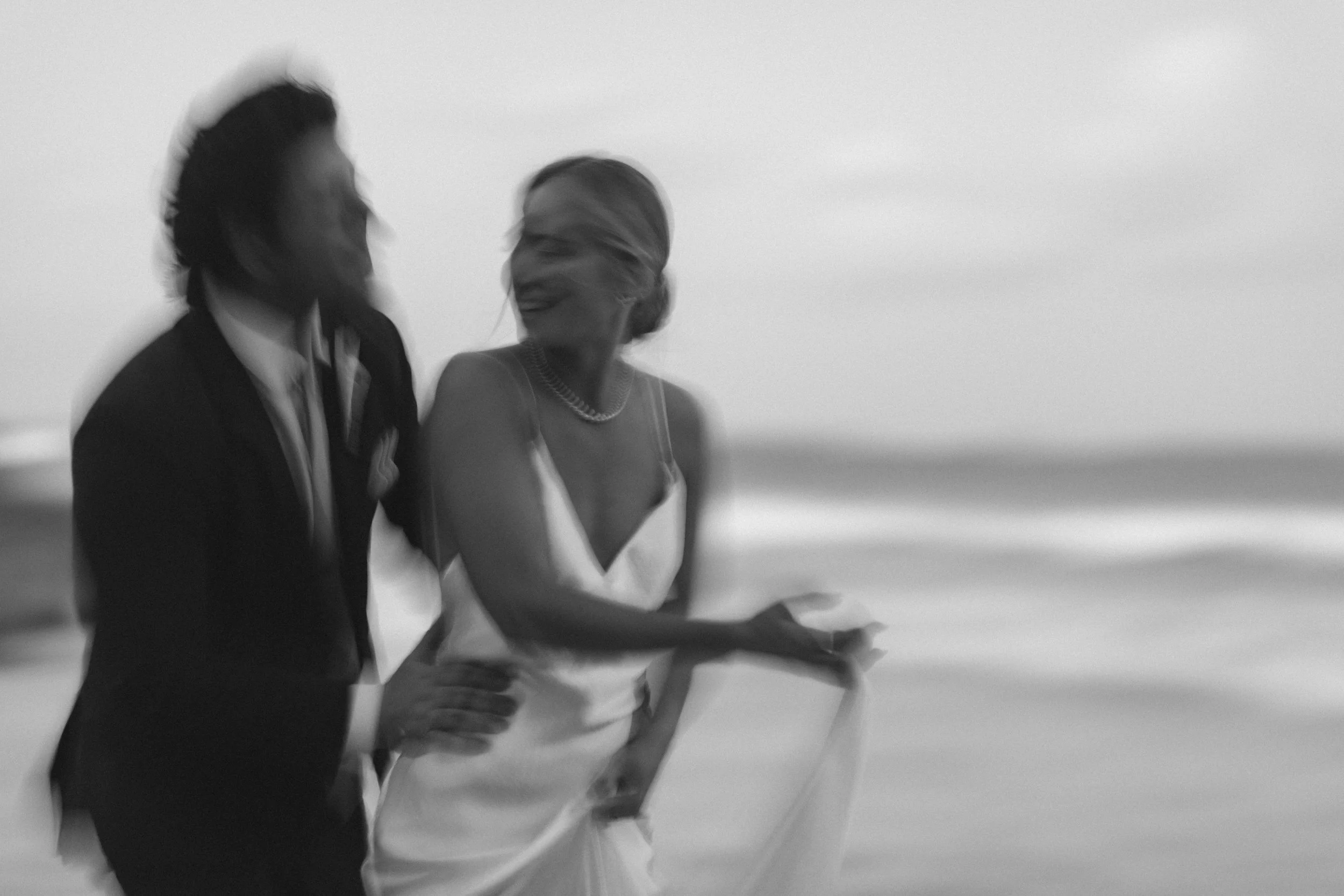
I need to say this directly: motion blur has overstayed its welcome in wedding photography.
I'm not talking about the intentional blur you get when a couple spins on the dance floor or runs through sparklers. I'm talking about the static motion blur that's been flooding Instagram feeds for years now. The kind where photographers blur a cup sitting on a table. Or shoes that aren't moving. Or a couple standing completely still, posing, but the image is blurred anyway.
It's absurd. And in 2026, we're still doing it.
When I Caught Myself Copying Without Thinking
My turning point came when I saw a photographer blur a cup. A cup that wasn't moving. Just sitting on a table.
Then I saw it again. Blurred shoes. Blurred dress details. Couples standing completely still blurred anyway. Everything again and again.
Every high-end profile I followed. They were all using motion blur, and then everyone else started copying it, including me.
Nobody had a reason. We just wanted to be part of the elite, and all the photographers getting published in magazines. So we copied what was on our plate without asking if it actually served the couple.
We stopped thinking. We just followed.
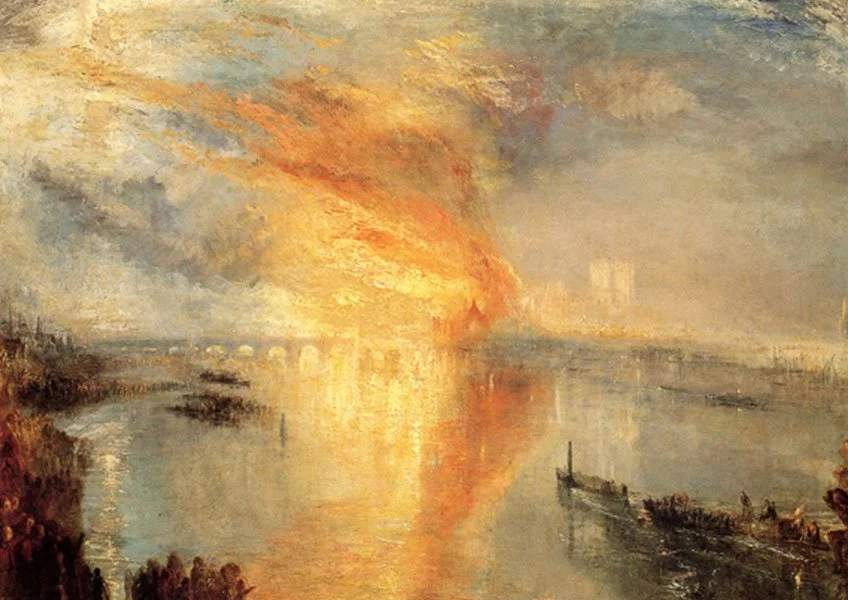
Turner. Incendio del parlamento el 16 de octubre de 1834, 1835. Philadelphia Museum of Art
Source: https://masdearte.com/especiales/turner-un-elemento-mas-de-la-intensidad-cosmica/
The Turner Problem
Here's what motion blur was supposed to do.
Think about J.M.W Turner, the painter. He used blur in his work because he had no other way to show movement. He was painting boats on water, wind in trees, the motion of air itself. Blur was his only tool to convey what a camera would later capture with shutter speed.
That blur had purpose. It communicated something that couldn't be shown any other way.
Now compare that to what we're doing in wedding photography. We're blurring objects that aren't moving. We're creating motion where none exists. We're applying a technique designed to show movement to completely static scenes.
It adds nothing. It serves no one. It's just a trend we copied because we saw other people doing it.
What Motion Blur Actually Serves
Motion blur doesn't serve the couple. It serves the photographer's Instagram feed.
Industry observers have noted that Instagram shifted wedding photography from quality to quantity, from "creating a thoughtfully curated collection of meaningful moments to posting an abundance of content to stay visible and relevant online."
That's exactly what motion blur became. A way to stand out in the scroll. A way to look different, artistic, part of the vanguard.
But wedding photography has to live beyond a screen. Wedding photography must complement a lifetime, not just a feed.
When you blur a static image, you're not creating art. You're not documenting the wedding. You're creating content that will look dated the moment the trend dies.
And this trend is already dead. We're just still using it.
The Fear of Being Left Behind
I know why photographers keep doing it. I felt the same fear.
When you see every editorial photographer using motion blur, when magazines feature it, when the "elite" profiles you want to be like are all doing it, you worry about being left behind. You worry that if you don't follow the trend, you'll lose your place in the vanguard.
But here's what I realized: some photographers never followed the trend at all. They stuck with what I call "The box photos." Normal, clear documentation, no drama. And they're still working. They have constant bookings. They've been in business for years.
They knew something the rest of us didn't. They knew weddings are supposed to be safe for the couple. One day where everything matters. And their job was to document that day clearly, not to experiment with trends that might not age well.
They understood that weddings are for documenting. Not for chasing what's currently on Editorials.
What Gets Lost When You Lose Creativity
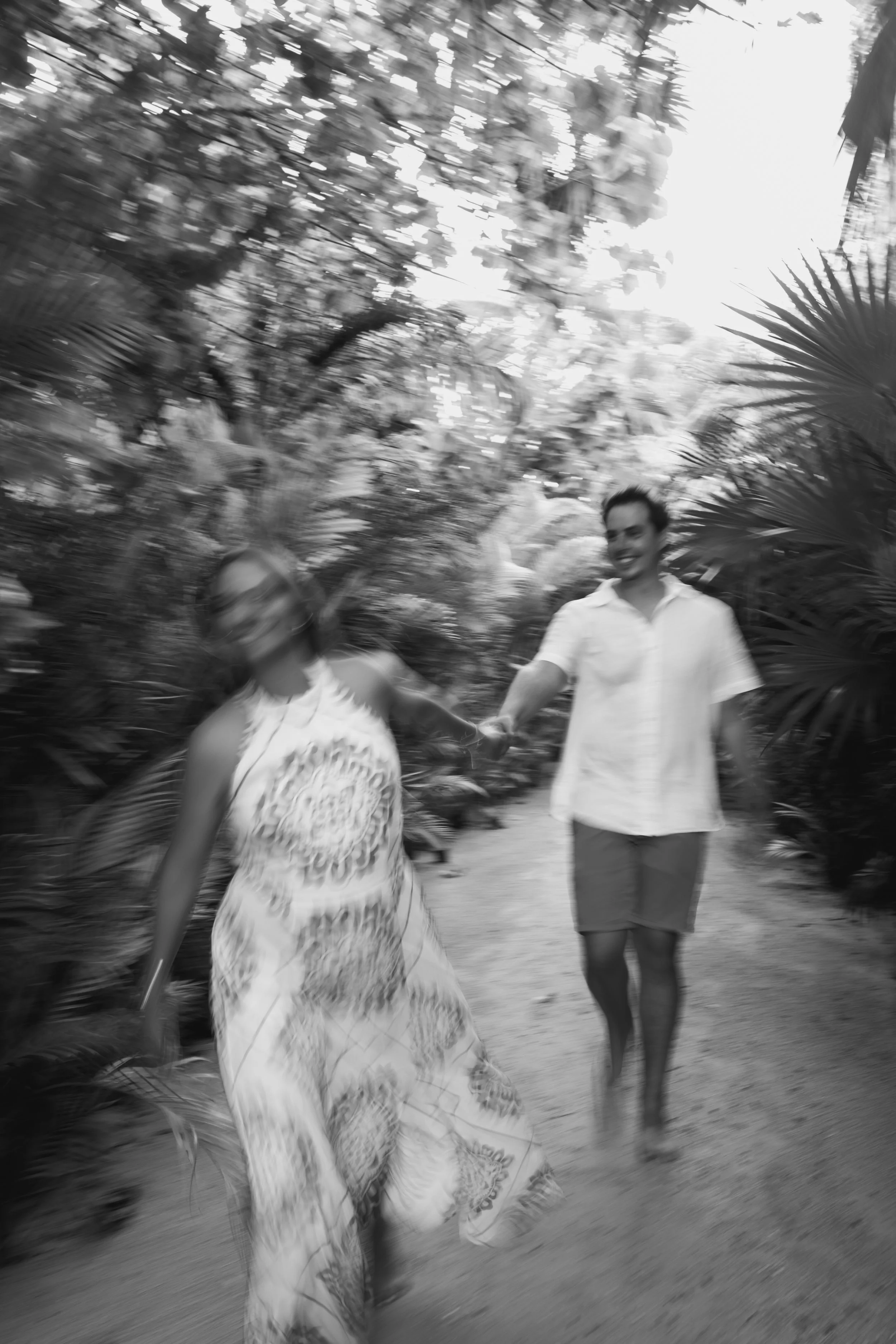
Motion blur isn't creative, and probably it's not documentation either.
It's just trend-following. And when more photographers started doing it wrong, blurring things that made no sense to blur, it stopped being genuine entirely.
Wedding photography experts warn that trendy techniques don't last. Past filters that seemed artistic at the time now look dated and overly edited.
Motion blur will age the same way. In ten years, couples will look back and think the same thing we think about thin eyebrows from the 2000s: what heck were we doing?
Photographers are already predicting this. One vendor said bluntly: "I feel like this is gonna be something that we look back on in 10 years, just like we look back on selective color, and say 'What the fuck were we doing?'"
How to Capture Movement Without the Blur
You can show energy and motion without blurring everything. I focus on directional movement now, adjusting angles so a couple walking toward the ocean feels intentional, not manufactured.
Motion blur still works in specific moments, like when a couple spins during their first dance, when they're running and laughing, when there's genuine movement happening in the frame.
But those moments are rare.
The alternative is simple: capture what's actually happening. Trust that the moment will communicate energy without needing post-processing tricks.
Photographers: Stop using it.
If you're going to use a technique, have a reason. Study why it works. Understand what it communicates. Use it with intention, not because you saw someone else doing it.
Motion blur has one job: to show actual movement. A car racing. A dancer spinning. A couple running through sparklers. Moments where blur communicates what sharpness can't.
It doesn't exist so you can blur a stationary cup and call it editorial.
Here's what I actually want from you: think. Use techniques with intention, not because you saw them trending. Study why something works before you copy it.
One or two experimental shots? Sure, go explore. But building your entire aesthetic around blurring things that aren't moving? That's not creativity.
That's just following the herd.
The Real Work
Wedding photography has always been about capturing what endures.
What endures is clarity. Genuine emotion. Moments preserved so clearly that when a couple looks at them decades later, they're transported back to exactly how they felt.
And our job as wedding photographers: we just need to start creating our own value.
The trend is dead.
